Best Non GamStop Casino UK 2026
Loading...
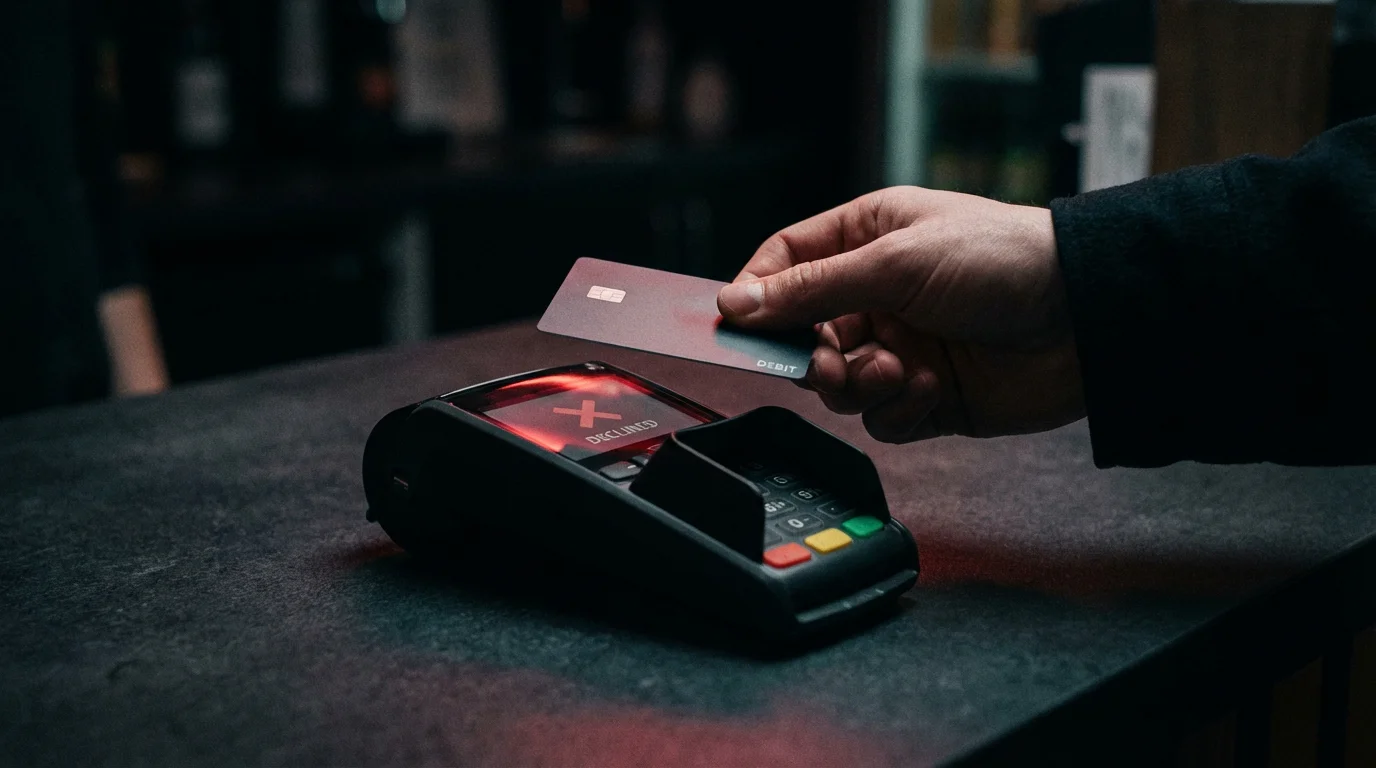
Debit cards are the default payment method for most UK consumers — but using one at a non-GamStop casino is not as straightforward as tapping your card at a shop. The intersection of UK banking policy, Visa and Mastercard network rules, and offshore casino payment processing creates a landscape where debit card deposits sometimes work perfectly, sometimes get declined, and sometimes trigger follow-up actions from your bank that you did not anticipate.
Understanding why these complications exist, which cards are most likely to be accepted, what to do when a deposit is blocked, and which alternative methods offer more reliable access is practical knowledge that every UK player at an offshore casino needs before making their first transaction.
Visa and Mastercard at Non-GamStop Casinos
Both Visa and Mastercard debit cards are accepted at many non-GamStop casinos, but acceptance is not universal and success rates vary depending on your issuing bank, the casino’s payment processor, and the transaction routing.
When you enter your debit card details at an offshore casino’s cashier, the transaction is routed through the casino’s payment service provider to the card network (Visa or Mastercard) and then to your issuing bank for authorisation. At each stage, the transaction can be approved or declined. The casino’s payment processor determines the merchant category code (MCC) used for the transaction. If the MCC identifies the merchant as an online gambling operator, the bank’s internal policies on gambling transactions apply. If the processor uses a different MCC — which some offshore payment providers do — the transaction may be processed as a general online purchase and bypass the bank’s gambling-specific filters.
Visa has historically been more widely accepted at offshore casinos than Mastercard. Mastercard implemented stricter policies on gambling transactions in several markets, and some UK-issued Mastercard debit cards decline transactions to unlicensed gambling merchants by default. Visa debit cards from UK banks also face restrictions, but the decline rate tends to be lower. Neither network guarantees acceptance at any specific offshore casino — the outcome depends on the specific combination of your bank, your card, and the casino’s processor.
Prepaid Visa and Mastercard cards — available from providers like Revolut, Monzo, and various prepaid card issuers — sometimes offer higher acceptance rates at offshore casinos. These cards are not directly linked to a traditional bank account, and their issuers may apply different transaction policies. Revolut, in particular, has been noted by players as relatively permissive for gambling transactions, though policies can change without notice. A card that works today may not work next month if the issuer updates its merchant screening rules.
Why UK Banks Block Gambling Transactions
UK banks block gambling deposits for several reasons, and understanding them helps explain why your card might be declined even when you have sufficient funds and no self-exclusion in place.
Regulatory pressure is the primary driver. While UK banks are not legally required to block gambling transactions, the FCA and UKGC have signalled expectations that financial institutions should play a role in reducing gambling harm. Several major UK banks — including Barclays, HSBC, Lloyds, and NatWest — have introduced voluntary gambling block features that customers can activate through their banking apps. Once activated, the block prevents all debit card transactions to gambling merchants, including both UKGC-licensed and offshore operators. If you have activated a gambling block on your account at any point, it may still be in effect.
Even without a customer-activated block, banks may decline transactions to offshore gambling merchants based on their internal risk policies. Transactions to merchants in certain jurisdictions — Curaçao, Malta (for operators not on the bank’s approved list), or other offshore locations — may be flagged by fraud detection systems. The bank sees an international transaction to a gambling-coded merchant and declines it as a precautionary measure. This is not a permanent block; it is a risk-based decision that may result in a one-time decline, a temporary hold, or a request from your bank to confirm the transaction.
Some banks send notifications or follow-up communications after processing gambling transactions. These range from informational (“We noticed a gambling transaction on your account — here are responsible gambling resources”) to interventional (“Your account has been flagged for a pattern of gambling transactions — please contact us”). These communications are the bank exercising its duty of care under FCA guidance. They do not necessarily result in account restrictions, but they indicate that the bank is monitoring your gambling expenditure.
Alternatives When Your Card Is Blocked
If your debit card is consistently declined at non-GamStop casinos, several alternative deposit methods offer more reliable access.
E-wallets are the most common workaround. Fund your Skrill or Neteller account from your bank via bank transfer (which is rarely blocked, as it appears as a standard financial transfer rather than a gambling transaction), and then deposit from the e-wallet to the casino. This adds an intermediary step but removes the bank’s gambling transaction screening from the equation. The e-wallet processes the casino deposit through its own merchant relationship, and your bank sees only a transfer to Skrill or Neteller — not to a gambling operator.
Cryptocurrency bypasses banking restrictions entirely. Purchase Bitcoin, Litecoin, or USDT through a crypto exchange or broker, transfer to your personal wallet, and deposit to the casino from there. The transaction chain does not involve your bank at the casino deposit stage. Your bank may see the initial purchase from the exchange, but crypto purchases are not coded as gambling transactions. For players who face persistent banking restrictions, crypto offers the most friction-free deposit path to offshore casinos.
Bank transfers — direct SEPA or international wire transfers to the casino’s bank account — are available at some offshore operators. These transfers are typically not subject to the same MCC-based screening that card transactions face, because they are processed as standard money transfers rather than point-of-sale payments. The disadvantage is speed: bank transfers can take one to three business days to clear, compared to the instant processing of card and e-wallet deposits.
Prepaid voucher systems like Paysafecard or AstroPay offer another route. You purchase a voucher (online or at a retail location), receive a code, and enter the code at the casino’s cashier. The transaction is anonymous from your bank’s perspective because the voucher purchase is a retail transaction, not a gambling deposit. Availability of these methods varies by casino.
Payment Reliability as a Casino Quality Signal
How a casino handles payments tells you whether it is built for players or built to extract deposits. A casino that offers multiple deposit methods, processes withdrawals to the same method used for deposits, quotes clear processing times, and meets those quotes consistently is demonstrating operational competence. A casino that accepts cards for deposits but forces withdrawals through a different method, imposes unexpected fees, or takes longer than stated to process payouts is demonstrating the opposite.
Test the full payment cycle before committing significant funds. Deposit a small amount via your preferred method. Play briefly. Request a withdrawal. Time the process from request to receipt. If the deposit was smooth but the withdrawal introduces friction — delays, additional verification requirements not mentioned upfront, or redirection to a different payment method — that friction is likely to scale with larger amounts.
The best non-GamStop casinos make payments invisible. You deposit, you play, you withdraw, and the money moves without drama. When the payment experience requires investigation, workarounds, or repeated contact with support, the casino is failing at a fundamental operational requirement. Your payment experience is the most honest review a casino can give itself.